

Unlock Deeper Immersion with the Haptic Feedback Vest
Virtual reality (VR) has undeniably transformed gaming and digital experiences, plunging users into simulated worlds through sight, sound, and sometimes even air movement. But what if immersion could be taken to an entirely new level? Imagine feeling the impacts, the textures, the subtle vibrations, and the environmental nuances that VR visuals and audio can’t quite replicate. This is the promise of the haptic feedback vest. Moving beyond traditional VR peripherals, these innovative garments are rapidly evolving from futuristic concepts to practical tools for enhancing sensory engagement in gaming, simulation, and potentially other fields.
Understanding the Technology: How Haptic Feedback Vests Work
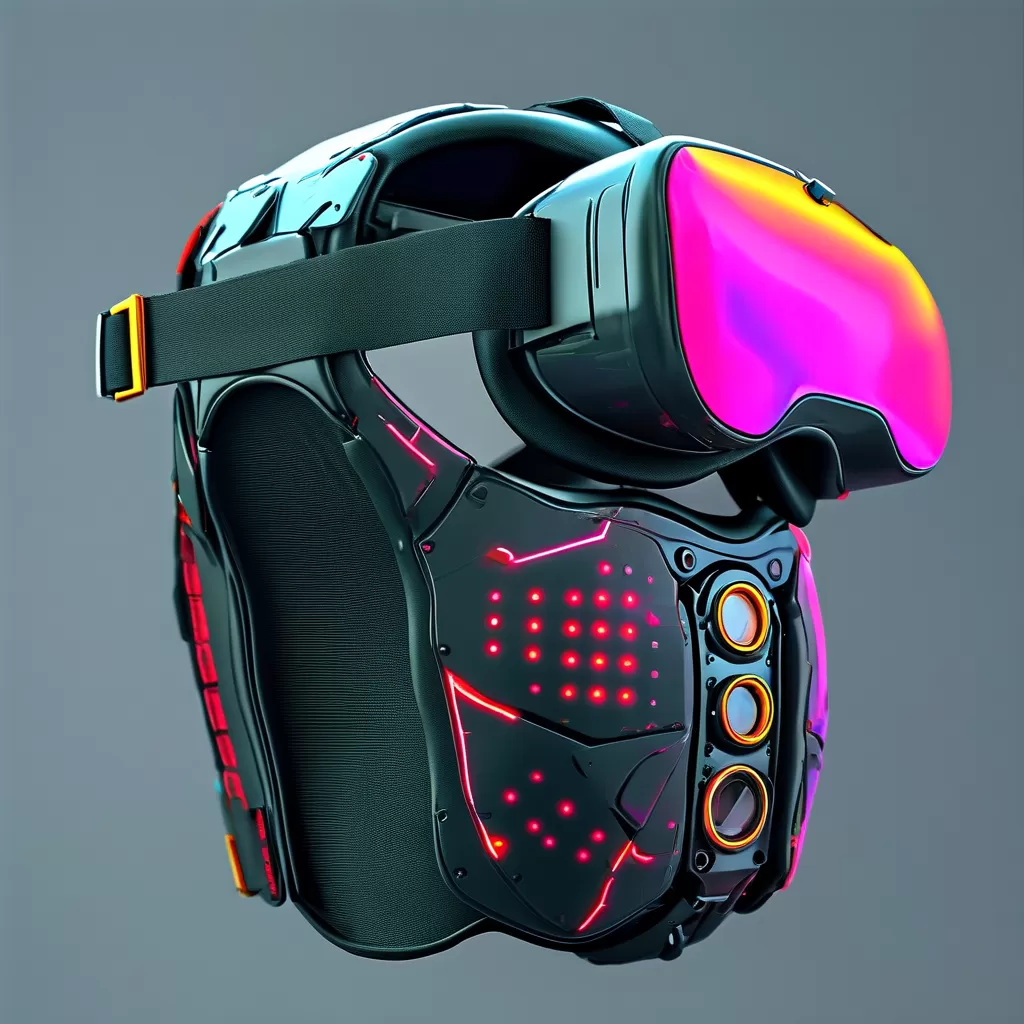
A haptic feedback vest, often referred to as a tactile vest or haptic suit, is an electronic garment equipped with strategically placed actuators, commonly known as motors or vibro motors. These small devices are embedded within the fabric and are responsible for generating physical sensations on the wearer’s body. When triggered by specific events within a game, VR environment, or application, these actuators produce vibrations, pressure changes, or minute movements against the skin.
The core principle behind these vests is haptics, the science of touch. By delivering targeted sensory feedback, haptic vests translate digital information into physical sensations, creating a more holistic and believable experience. This goes beyond simple vibration alerts; advanced vests aim for nuanced feedback that can mimic the feeling of a light breeze, a heavy impact, the rumble of distant thunder, or the distinct textures of different surfaces.
Modern haptic feedback vests like the bHaptics system utilize sophisticated software integration. For example, the bHaptics vest features 32 individual motors distributed across its surface, allowing for complex patterns of feedback. Crucially, it often includes features like wireless connectivity and support for a vast library of games out-of-the-box (claiming compatibility with over 250+ VR titles natively). Furthermore, technologies like Audio-to-Haptics are being developed, aiming to convert sound signals directly into physical vibrations, potentially enabling haptic feedback from any audio source within a game or application, significantly broadening its applicability.
Applications: Elevating Gaming, VR, and Beyond
The primary driver for the development and adoption of haptic feedback vests is undoubtedly the enhancement of immersive gaming and VR experiences. Here’s how they make a tangible difference:
Gaming and Esports Enhancement
In video games, especially first-person shooters (FPS), racing simulators, and flight simulators, the haptic feedback vest provides crucial information through touch. Feel the recoil of your weapon, the jolt of a landing, the impact of an explosion, the rumble of an engine, or the slipperiness of a track surface. This tactile layer of information can:

- Improve Situational Awareness: Players receive feedback about their surroundings and actions without needing to look away from the screen.
- Enhance Realism and Engagement: Immersion is significantly deepened, making virtual worlds feel more tangible and alive.
- Provide Competitive Edge: In fast-paced games, tactile cues can offer split-second feedback that visual and audio cues might miss.
Revolutionizing Virtual Reality
VR headsets create convincing visual environments, but adding full-body sensory feedback is key to achieving true presence. A haptic vest complements VR by:
- Increasing Believability: Feeling the wind, impacts, or environmental elements within the VR world reinforces the illusion.
- Reducing Cognitive Load: By conveying some information tactilely, it potentially allows the brain to process the virtual environment more efficiently.
- Supporting Complex Simulations: For training applications (like flight or military simulations), haptic feedback provides critical physical cues that are essential for effective training.
Exploring Other Potential Applications
While gaming and VR are the most prominent areas, the potential of haptic feedback technology extends further: force feedback flight simulator yoke – In-depth Analysis
- Accessibility: Providing tactile feedback for visually impaired users to navigate digital content or receive alerts.
- Entertainment and Media: Imagine feeling the bass from music or experiencing the intensity of a scene in a movie without needing a headset.
- Remote Operation and Training: Simulating conditions for operators in remote vehicles or dangerous environments.
Market Options and Considerations: Finding the Right Fit
The market for haptic feedback vests is growing, offering various options with different features, price points, and levels of integration. Understanding the key players and factors is crucial for making an informed decision.
Several companies are leading the charge:
- bHaptics: Known for its relatively high motor count (e.g., 32 motors in some models) and native support for numerous VR games. Offers wireless connectivity and aims for broad software compatibility.
- TrueGear VR: Provides full-body haptic feedback suits. Models like the TrueGear VR Vest offer 360-degree directional feedback, aiming to give a sense of where tactile events are originating from.
- Woojer: Offers haptic suits often used with VR, featuring directional feedback technology (like the Vest 3) and various warranty options.
- Other Innovators: The space is competitive, with companies constantly improving motor density, feedback fidelity, battery life, and software integration.
When considering a purchase, several factors come into play:
- Price Point: Expect to invest between $300 and $600 or more for a decent haptic vest. The question of whether this is “worth it” depends heavily on your usage. For avid VR gamers seeking enhanced immersion, the investment can be seen as significantly improving their experience, offering a level of engagement not possible with traditional VR setups. For casual users, the value proposition might be less clear unless they frequently engage with compatible content.
- Compatibility: Check if the vest integrates with your games or VR platform. Native support for popular titles like those on SteamVR or Oculus Store is a major plus. Consider if the software development kit (SDK) allows for custom feedback programming or community-created assets.
- Motor Count and Placement: More motors generally mean more precise and varied feedback across a larger surface area. Strategic placement is key to avoiding discomfort and mimicking natural body sensations.
- Wireless vs. Wired: Many modern vests offer Bluetooth or Wi-Fi connectivity, providing greater freedom. Wired connections might offer lower latency but restrict movement.
- Battery Life: This varies greatly. Look for models with sufficient battery life to support extended gaming sessions without needing frequent recharging.
- Comfort and Fit: Haptic vests can be bulky. Ensure the specific model you choose is comfortable to wear for extended periods and offers a suitable range of motion.
The Future of Sensory Immersion: Is the Haptic Vest the Next Step?
Considering whether to invest in a haptic feedback vest requires weighing the potential benefits against the cost and the current state of the technology. For dedicated VR enthusiasts who prioritize immersion and are willing to spend money on peripherals, the answer is increasingly affirmative. The ability to feel the virtual world is a significant leap from sight and sound alone.
The technology is still evolving rapidly. Expect improvements in motor precision, battery efficiency, lighter materials, and more sophisticated software integration in the coming years. Features like widespread Audio-to-Haptics could democratize the experience further, allowing feedback from any audio source, not just pre-programmed game events.
While the initial cost might be a barrier for some, the long-term value for frequent, high-immersion users could be substantial. It’s not just an accessory; it’s a potential gateway to a new dimension of interactive entertainment and simulation.
In conclusion, the haptic feedback vest represents a significant advancement in creating immersive digital experiences. By translating digital events into physical sensations across the body, these vests offer a powerful way to deepen engagement in VR, gaming, and potentially other domains. While the investment requires careful consideration, for those seeking the ultimate level of sensory immersion, the haptic feedback vest is emerging as a compelling and revolutionary technology, moving us closer to truly feeling the virtual worlds we explore.