

Data-Driven Feedback Enhances Ultrasound Nanotheranostics for Brain Tumor Treatment
The treatment of brain tumors remains one of the most formidable challenges in oncology. The blood-brain barrier (BBB), a tightly regulated interface protecting the brain, often shields malignant cells from therapeutic agents. Traditional therapies like chemotherapy and radiation face significant hurdles in reaching tumor sites effectively and with minimal side effects. However, a promising frontier is emerging at the intersection of nanotechnology and medical imaging: ultrasound nanotheranostics. This field leverages microbubbles, or nanobubbles, guided by ultrasound, to both diagnose and treat deep-seated brain tumors like gliomas. Recent advancements, particularly the integration of data-driven feedback mechanisms, are poised to revolutionize this approach.
The Promise and Challenges of Ultrasound Nanotheranostics
Ultrasound nanotheranostics combines the non-invasive nature of ultrasound imaging with the targeted delivery capabilities of nanoscale objects, primarily microbubbles. These microbubbles, typically composed of a gas core encapsulated by a shell made of lipids or polymers, can be engineered to bind specifically to tumor cells or specific receptors associated with them. When exposed to ultrasound waves, these bubbles oscillate, providing excellent contrast for imaging, thereby enabling precise localization and characterization of tumors.
Furthermore, the mechanical activity of these bubbles under ultrasound exposure can exert therapeutic effects. This is known as sonodynamic therapy (SDT). In this process, the oscillating bubbles generate reactive oxygen species (ROS) or cause mechanical disruption of cell membranes, leading to tumor cell death. The versatility of this approach lies in its potential for real-time monitoring (diagnostic) and simultaneous treatment (therapeutic), making it a compelling candidate for personalized cancer care.
However, translating the potential of nanotheranostics from the laboratory to the clinical setting, especially for the brain, faces significant obstacles. The BBB, which is largely impermeable to most therapeutic molecules, is a primary barrier. Achieving sufficient drug or therapeutic agent delivery across this barrier to gliomas, which are highly infiltrative and heterogeneous, requires sophisticated strategies. Ultrasound, often combined with microbubble-mediated sonoporation, offers a promising avenue to temporarily open the BBB or enhance permeability for therapeutic agents conjugated to the nanobubbles.
Despite these advances, optimizing the ultrasound exposure parameters and nanobubble characteristics for maximum diagnostic accuracy and therapeutic efficacy while minimizing potential side effects remains complex. This is where data-driven feedback enters the picture, offering a powerful solution.
Integrating Data-Driven Feedback: Precision and Adaptation
The inherent complexity of brain tumor microenvironments and the variability between patients necessitate a highly adaptive and intelligent control system for nanotheranostic applications. This is precisely where data-driven feedback mechanisms, often powered by machine learning (ML) and artificial intelligence (AI), demonstrate immense potential.
Data-driven feedback involves the continuous collection, analysis, and utilization of data generated during the diagnostic and therapeutic process to refine and adapt the intervention in real-time. In the context of ultrasound nanotheranostics for brain tumors, this data can originate from various sources:
- Ultrasound Imaging Data: Real-time feedback on bubble distribution, BBB permeability changes, tumor vasculature response, and even macrophage accumulation (as indicated by certain imaging contrasts).
- Biochemical and Molecular Data: Measurements of ROS levels, temperature changes (critical for safety), and the expression of specific markers that correlate with treatment response.
- Patient-Specific Data: Incorporating information about tumor grade, location, size, and patient physiology to personalize the treatment protocol.
Machine learning algorithms, trained on extensive datasets derived from preclinical models (like the successful scaling from mice to rats and diseased brains observed in some research) and potentially de-identified clinical data, can process this complex information far more rapidly and accurately than human operators. These algorithms can identify subtle patterns, predict treatment outcomes, and optimize parameters dynamically.
For instance, feedback mechanisms can adjust the intensity, frequency, and duration of ultrasound exposure based on real-time imaging feedback, ensuring that the energy is focused precisely on the target tissue and avoiding damage to surrounding healthy brain areas. This is crucial for gliomas, which often infiltrate vital regions.
Moreover, data-driven feedback can help refine the targeting ligands on the nanobubbles. By analyzing the binding efficiency and subsequent therapeutic response, the algorithms can suggest modifications or combinations of ligands designed for maximum specificity to the tumor type. This iterative optimization process accelerates the development of more effective nanotheranostic agents.
The concept of ML-CL (presumably Machine Learning-Controlled Logic or a similar intelligent control system) rendering the BBB permeable to large molecules aligns perfectly with this approach. Data-driven feedback can precisely control the sonoporation events, opening the BBB transiently only where and when needed, potentially allowing larger therapeutic payloads (like siRNA or larger drug molecules) to be delivered effectively to glioma cells. This targeted and controlled permeability significantly enhances the therapeutic index.
Enhancing Efficacy and Safety: A New Standard of Care?
The integration of data-driven feedback into ultrasound nanotheranostics offers a multi-pronged benefit, addressing both efficacy and safety concerns.
Improved Targeting and Efficacy: By continuously adapting the ultrasound parameters and nanobubble design based on real-time feedback, clinicians can achieve more precise targeting of glioma cells. This ensures that the therapeutic payload is delivered directly to the malignant tissue, maximizing its effect. Furthermore, optimizing the sonodynamic effect through feedback allows for more potent killing of tumor cells, potentially overcoming resistance mechanisms. The ability to image macrophage accumulation (a sign of immune response or inflammation) could also provide valuable insights into the body’s reaction to the treatment, further refining the approach.
Reduced Side Effects: One of the major advantages of data-driven feedback is its potential to minimize collateral damage. By focusing the ultrasound energy precisely on the tumor and adjusting parameters based on feedback to avoid excessive tissue heating or cavitation beyond the target zone, the risk of damaging healthy brain tissue is significantly reduced. This is paramount for brain tumor treatments, where preserving cognitive function is a key consideration.
Better Patient Selection and Monitoring: Data-driven systems can analyze patient data to predict which individuals are most likely to benefit from this therapy. During treatment, continuous monitoring allows for immediate adjustments or early termination if the therapy is proving ineffective or too toxic, preventing unnecessary exposure.
Accelerated Development: The feedback data generated during clinical trials and even in routine practice can be anonymized and fed back into machine learning models, creating a continuous improvement loop. This accelerates the refinement of protocols and the development of next-generation nanobubbles and ultrasound systems.
The journey from bench to bedside requires overcoming challenges related to computational complexity, the need for robust and validated algorithms, ensuring data privacy and security, and achieving regulatory approval. However, the potential rewards are substantial. A system guided by data-driven feedback promises to make ultrasound nanotheranostics a more reliable, personalized, and effective tool in the fight against brain tumors.
The Future Outlook: Towards Personalized Brain Tumor Therapy
The synergy between ultrasound nanotheranostics and data-driven feedback represents a paradigm shift in oncology. It moves treatment away from a one-size-fits-all approach towards highly personalized interventions tailored to the specific characteristics of each patient’s tumor.
Future developments are likely to focus on further integrating imaging, diagnostics, and therapy within a single platform, guided by increasingly sophisticated AI. Multi-modal feedback systems, incorporating data from different imaging techniques (e.g., ultrasound, MRI, spectroscopy) alongside physiological and molecular markers, will provide an even more comprehensive picture for real-time decision-making.
Advancements in nanobubble engineering, perhaps incorporating stimuli-responsive elements or targeting multiple pathways simultaneously, combined with predictive modeling based on vast datasets, will further enhance the capabilities of this emerging field.
In conclusion, the advent of data-driven feedback mechanisms is not merely an incremental improvement for ultrasound nanotheranostics; it is a fundamental enhancement that unlocks its full potential, particularly for challenging diseases like brain tumors. By enabling precise adaptation and optimization during both diagnosis and treatment, this integrated approach promises to significantly improve outcomes for patients suffering from gliomas and other central nervous system malignancies, bringing us closer to a new era of targeted and intelligent cancer therapy.
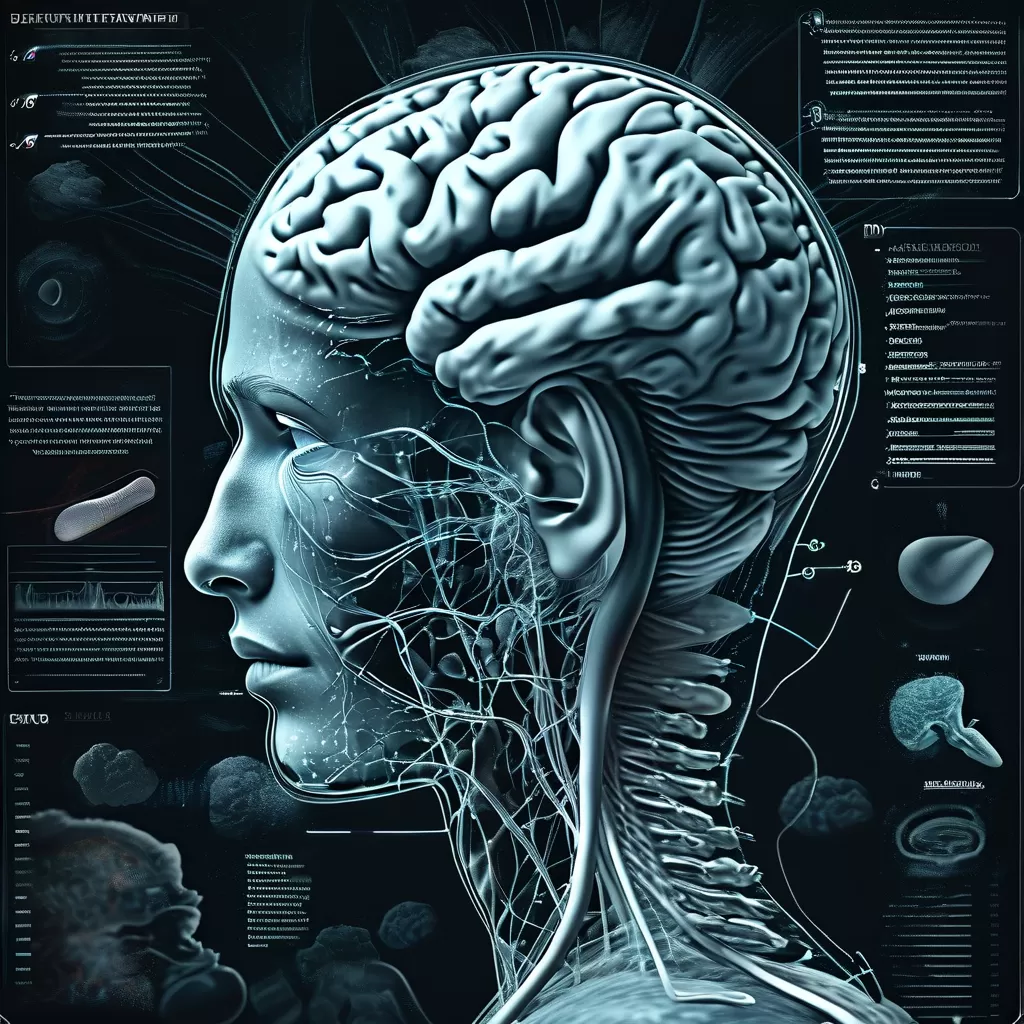
Figure 1: Schematic representation of ultrasound nanotheranostics for brain tumors. Microbubble contrast agents target glioma cells. Ultrasound guidance visualizes the tumor and monitors BBB opening. Data-driven feedback adjusts exposure parameters for optimal imaging and sonodynamic therapy.
Figure 2: Workflow illustrating the role of data-driven feedback. Ultrasound imaging data (e.g
References
- Data-driven feedback augments ultrasound nanotheranostics in …
- Data-driven feedback augments ultrasound nanotheranostics in …
- Data-driven feedback augments ultrasound nanotheranostics … – PMC
- (PDF) Data-driven feedback augments ultrasound nanotheranostics …
- Chulyong Kim (0009-0000-7550-0980) – ORCID