

force feedback flight simulator yoke – In-depth Analysis
A force feedback yoke has emerged as a cornerstone component for enthusiasts seeking unparalleled immersion in the world of flight simulation. Unlike traditional yokes that offer passive control, a force feedback flight simulator yoke introduces a revolutionary layer of realism by providing tactile feedback directly to the pilot. This technology simulates the physical sensations experienced in a real aircraft, from the subtle vibrations during turbulence to the heavy resistance felt during high-speed maneuvers. This article provides an in-depth analysis of what a force feedback flight simulator yoke is, how it functions, its benefits, compatibility considerations, and the overall impact it has on the flight simulation experience.
Understanding the Force Feedback Yoke: More Than Just a Control Stick
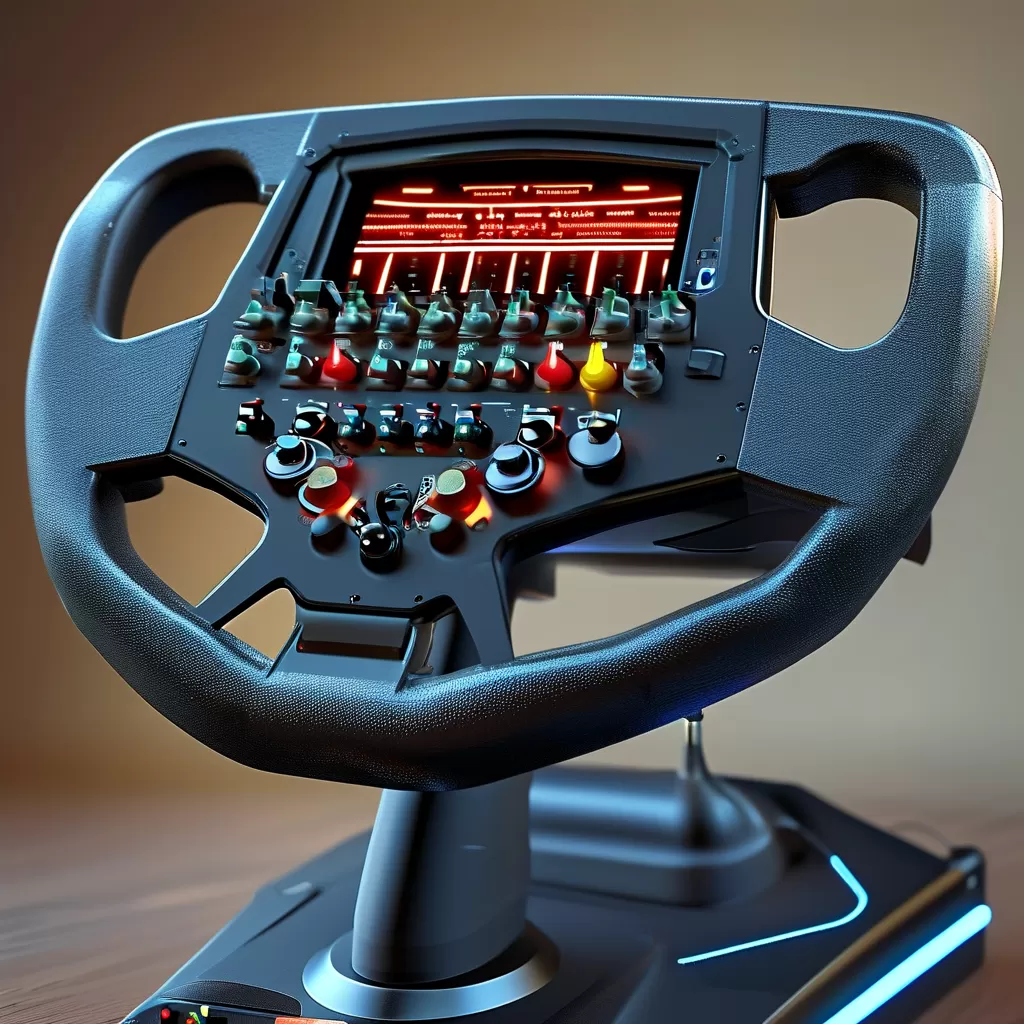
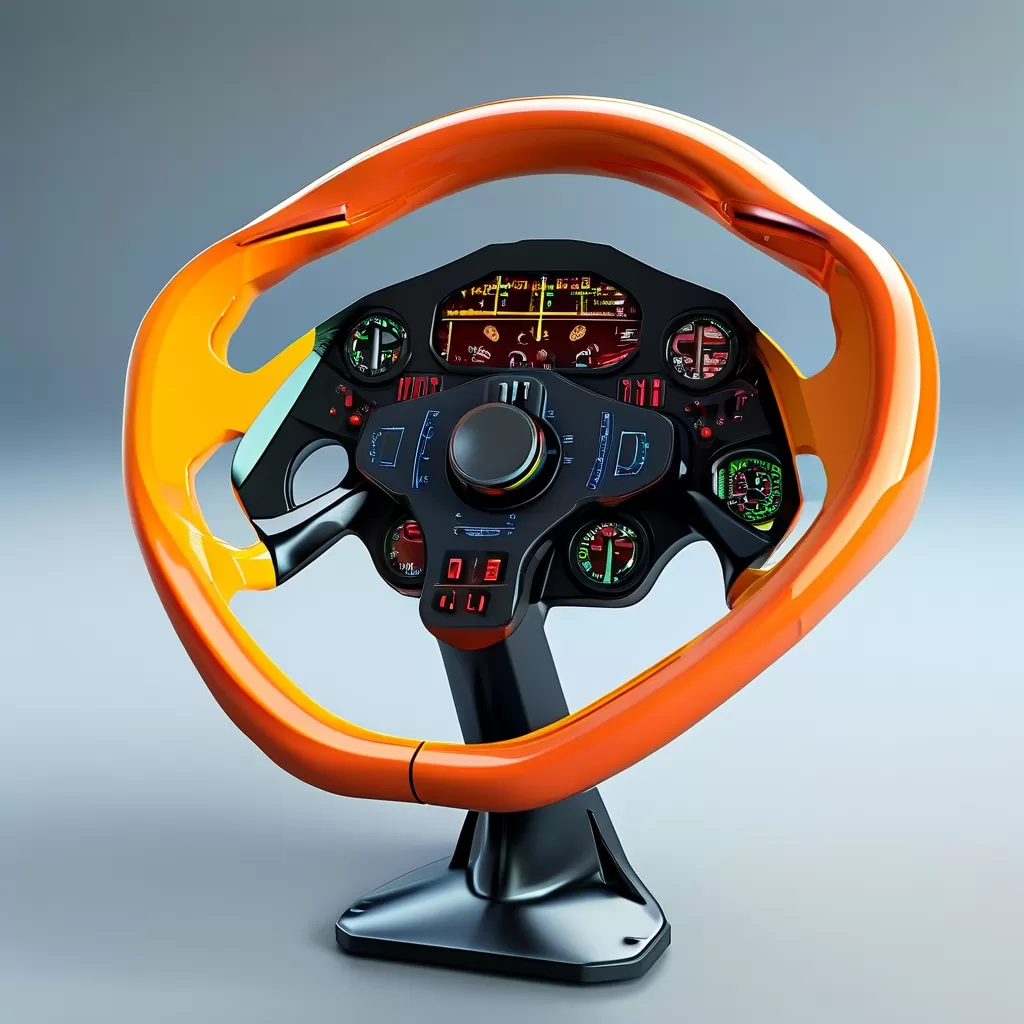
A force feedback yoke is essentially a sophisticated control input device designed to mimic the flight controls of an aircraft, primarily the cyclic pitch control (for pitch) and collective pitch control (for yaw and roll, depending on the helicopter model). It consists of a ring-like structure that the user grips, typically featuring controls for:
- Pitch control (Cyclic): Usually achieved by tilting the yoke forward and backward, controlling the aircraft’s nose-up or nose-down movement.
- Yaw control (Collective/Rudder pedals): Often involves pulling the yoke side-to-side (collective pitch for helicopters) or integrating rudder pedals for yaw control (more common in fixed-wing aircraft simulation).
- Trim controls: Buttons or switches to adjust the aircraft’s trim settings, reducing control pressure needed during level flight.
- Programmable buttons: Numerous buttons integrated into the yoke body or control grips for managing aircraft systems, navigation, radio communications, autopilot functions, and other in-flight tasks.
- Force feedback motors: These are the core components that provide the tactile feedback. Typically located at the base of the yoke, these powerful motors generate counter-forces or torque that resist the pilot’s movements, simulating aerodynamic forces, engine responses, and system interactions.
The integration of force feedback motors is what fundamentally differentiates a standard yoke from a force feedback yoke. These motors are electronically controlled and provide resistance proportional to the demands placed on the aircraft by the user or the simulation software. This creates a dynamic and responsive control feel that adapts to the flight scenario.
How Force Feedback Enhances the Flight Simulation Experience
The primary advantage of a force feedback yoke lies in its ability to provide haptic feedback, making the simulation feel more than just visual and auditory. This translates into several key benefits:
Realistic Aircraft Handling: Force feedback accurately simulates the physical characteristics of different aircraft. Pilots experience the force feedback demands of a light aircraft’s gentle control surfaces versus the heavy, powerful resistance of a large commercial airliner’s yoke or stick. It simulates the feel of pulling back on the yoke for increased pitch to climb, the resistance encountered during high G-force maneuvers, the subtle buffeting felt during turbulence, and the counter-forces generated by flaps and landing gear deployment. This level of realism is crucial for pilots training for professional aviation or simply seeking a deeply immersive experience.
Improved Situational Awareness: Beyond just feeling the forces, the force feedback flight simulator yoke provides critical cues that enhance situational awareness. For example, during a stall, the yoke might offer significant resistance or even push back against the user’s input, mimicking the aircraft’s behavior. This tactile warning can be more intuitive and immediate than relying solely on visual or audio alerts. Similarly, when landing gear is down, the yoke often provides a noticeable increase in resistance, reminding the pilot of the aircraft’s configuration.
Reduced Pilot Fatigue (Potentially): While seemingly counterintuitive, high-fidelity force feedback can sometimes reduce fatigue by providing the pilot with more information through the controls. By feeling the aircraft’s response accurately, the pilot can make smoother, more efficient inputs, potentially leading to less strenuous flying over long sessions. However, poorly implemented force feedback can be fatiguing, so quality matters.
Enhanced Training Value: For those using flight simulators for training purposes, a force feedback yoke significantly increases the training value. The realistic control inputs and feedback help develop muscle memory and fine motor skills necessary for real-world aviation. Simulating different aircraft types and handling characteristics becomes a more effective learning tool.
Greater Immersion and Enjoyment: On a purely experiential level, force feedback bridges the gap between the screen and the user. It transforms the flight simulation from a game of visual clicks and key presses into a multi-sensory experience. The physical connection provided by the yoke makes the feeling of being in the cockpit much more tangible and enjoyable. The feedback loop created by the yoke responding dynamically to user input creates a sense of direct control and presence. Unlocking the Potential: Force Feedback Yoke Enhancing Flight Simulation
Compatibility and Integration: Working with Your Simulator
One of the most common questions regarding force feedback yokes is their compatibility with various flight simulation platforms and software. Modern force feedback flight simulator yokes are generally designed with broad compatibility in mind, but the level of integration can vary.
Hardware Connectivity: Most high-quality force feedback yokes connect via USB, often featuring multiple ports (e.g., USB-A and USB-C) for connecting the yoke itself, rudder pedals, and throttle quadrant. Some advanced models may connect wirelessly, though this can sometimes introduce minor latency.
Software Support: The key to unlocking the full potential of force feedback lies in the software. Leading flight simulation platforms like Microsoft Flight Simulator (both 2020 and 2024) and X-Plane 12+ have built-in support for a wide range of force feedback devices. This often includes:
- Built-in Telemetry Force Feedback: As mentioned in the reference, many modern simulators can directly drive the yoke’s force feedback motors based on the aircraft’s physics within the simulation. This provides realistic feedback without needing third-party add-ons, simulating engine vibrations, aerodynamic buffeting, and more.
- Joystick Interface: The yoke is typically recognized as a specialized joystick by the simulation software, allowing it to control aircraft surfaces accurately.
- Input Remapping: Users can usually map the yoke’s controls (buttons, axes) to specific aircraft functions within the simulator’s settings or using dedicated software provided by the manufacturer.
- Third-Party Add-ons: Numerous third-party software solutions (like RealFeel Physics, RealFlight, RealWorld, etc.) enhance the force feedback experience by adding more specific aircraft models, detailed force feedback profiles, and advanced physics simulation. These can often be configured to work with compatible yokes.
It is crucial to check the compatibility of a specific yoke model with your chosen flight simulator platform and hardware before purchasing. Most manufacturers provide detailed compatibility lists on their websites.
Setting Up and Using a Force Feedback Yoke
Integrating a force feedback yoke into your flight simulation setup is generally straightforward, but requires some attention to detail for optimal performance.
Hardware Setup: Connecting the yoke via USB is usually plug-and-play. Ensure all included software (if any) is installed according to the manufacturer’s instructions. Some yokes require specific drivers, which are often included in the installation package.
Calibration: Most simulators and yoke software include a calibration utility. Proper calibration ensures that the yoke’s neutral position, range of motion, and force feedback response are accurately recognized by the computer and simulation software. Incorrect calibration can lead to sluggish response, inaccurate control inputs, or improper force feedback delivery.
Binding Controls: You will need to bind the yoke’s physical controls (axes for pitch/yaw, buttons for functions) to the corresponding aircraft controls within your simulation software. This process varies by simulator but is usually well-documented. Many yokes come with pre-configured profiles for popular aircraft or flight models, which can save time.
Configuring Force Feedback: The level and type of force feedback can often be adjusted. Some simulators offer basic built-in feedback, while third-party add-ons provide much more granular control. Experiment with different settings to find a balance that feels realistic without being overly distracting or fatiguing.
Conclusion: Elevating Your Flight Simulation with Force Feedback
A force feedback flight simulator yoke represents a significant investment for flight simulation enthusiasts, but it is an investment that pays dividends in realism and immersion. By providing tactile feedback that mirrors real-world aerodynamics and aircraft responses, it transforms the experience from a visual exercise into a multi-dimensional one that engages the sense of touch.
<p