

Feel the Future: Advanced Haptic Tactile Feedback Revolutionizing Tech
Imagine interacting with a digital file on your screen as if it were a real, tangible object. Imagine feeling the texture of a virtual surface, the weight of an object you’re manipulating, or receiving subtle, nuanced feedback without any physical contact. This isn’t the stuff of distant science fiction; it’s the burgeoning reality being crafted by **haptic tactile feedback** technology. This field, blending the principles of touch (tactile) with advanced simulation (haptic), is rapidly moving beyond simple phone vibrations, promising a more immersive, intuitive, and deeply engaging interaction with the digital world.
Understanding the Concepts: Haptic vs. Tactile
Before delving into the revolution, it’s crucial to understand the terminology. While often used interchangeably, “haptic” and “tactile” feedback have distinct nuances, though they are closely related.
Tactile feedback primarily refers to the sense of feeling through direct physical contact. It’s the sensation you feel when you touch something – its temperature, hardness, smoothness, or roughness. In technology, tactile feedback often involves mechanisms that provide a physical sensation in response to user interaction, typically through the skin’s sense of touch (mechanoreception). A classic example is the vibration alert on a smartphone when you receive a notification or complete an action – this vibration is a tactile sensation, albeit an artificial one.
Haptic feedback, on the other hand, is a broader term. It encompasses not just tactile sensations but also the perception of movement and force. Derived from the Greek word “haptikos” meaning “able to be touched,” haptics often involves systems that simulate the sense of touch and movement, creating a more complete feeling of interaction. Haptic feedback can involve proprioceptive feedback (sensing one’s own body position and movement) and kinaesthetic feedback (sensing the movement of objects). It uses technology to create artificial touch, movement, and force sensations. Think of a game controller vibrating in specific patterns to simulate driving over bumps or a steering wheel that provides resistance when cornering.
It’s important to note that **haptic tactile feedback** often refers to the integrated system or the advanced form of feedback that combines sophisticated vibration patterns (haptic) with potentially other forms of tactile sensation to create richer, more nuanced experiences. In many contexts, especially marketing and emerging tech descriptions, “haptic” is used broadly to include all forms of touch-based feedback, including traditional vibration (tactile). However, understanding the subtle differences helps appreciate the depth of the technology being developed.
The Technology: From Simple Vibration to Advanced Simulation
The evolution of **haptic tactile feedback** is marked by increasing sophistication in the methods used to generate these sensations. Early implementations were largely limited to simple linear resonant actuators (LRAs) or eccentric rotating mass (ERM) motors, which primarily produced basic vibrations – the standard beep or buzz found in many devices. While effective for notifications, they lacked the nuance needed for richer interactions.
Recent advancements have introduced more sophisticated actuators and control algorithms:
1. Eccentric Rotating Mass (ERM) Motors: These are the most common type of vibration motor found in consumer electronics. They work by having an off-center weight attached to a spinning shaft. As the shaft rotates, the imbalance causes the motor casing to vibrate. While simple and cheap, ERMs typically produce omnidirectional vibrations, meaning the vibration feels the same regardless of the phone’s orientation.
2. Linear Resonant Actuators (LRAs): LRAs use a small magnet and a coil attached to a mass. When an electric current passes through the coil, it creates a magnetic field that pushes the mass back and forth in a linear motion, vibrating the device. LRAs can often produce more directional and controllable vibrations compared to ERMs, allowing for a wider range of haptic patterns and potentially a more pleasant tactile experience. Analyzing Chest Compressions: What a Feedback Device Monitors
3. Piezoelectric Actuators: These use materials that change shape when an electric voltage is applied (the piezoelectric effect). They can produce very rapid, high-frequency vibrations and are known for their potential for miniaturization and low power consumption. They are increasingly used in applications requiring fine-grained control, like touchscreens or wearable devices.
4. Electroactive Polymers (EAPs) and Shape Memory Alloys (SMAs): These are emerging technologies aiming for more natural, biomimetic haptic feedback. EAPs change shape in response to an electric field, mimicking muscle movement. SMAs behave like metals that can “remember” their original shape and be deformed, then revert to that shape when heated (often by an electrical current). These materials could potentially allow for more complex force feedback and realistic textures on larger surfaces. What Is Haptic Feedback? Exploring the Sensory Technology Revolution
5. Air Haptics / Ultrasonic Haptics: A cutting-edge approach, this technology uses focused ultrasonic sound waves to create tactile sensations in the air. By rapidly modulating the amplitude of these ultrasonic waves, a localized sensation of touch or vibration can be projected onto a user’s fingertip without any physical contact. This opens up possibilities for mid-air interaction and feedback that is completely untethered from physical devices.
The effectiveness of **haptic tactile feedback** hinges not just on the actuator type but also on the software and algorithms that control them. Sophisticated signal processing is used to generate complex waveforms and patterns, timing the vibrations precisely to match user actions or environmental feedback within a digital simulation. This allows developers to move beyond simple alerts to create feedback loops that enhance immersion and usability. force feedback flight simulator yoke – In-depth Analysis
Applications Across the Tech Spectrum
The versatility of **haptic tactile feedback** is driving its adoption across a vast array of industries and applications, fundamentally changing how users interact with technology.
1. Gaming and Virtual/Augmented Reality (VR/AR): This is perhaps the most visible application. **Haptic tactile feedback** is crucial for immersion in VR and AR environments. Controllers, gloves, suits, and even shoes equipped with advanced haptics can simulate the feeling of touching virtual objects, feeling environmental effects (like wind or rain), or experiencing the recoil of a virtual gun. This goes far beyond simple vibration, aiming to recreate textures, impacts, and spatial sensations.
2. Accessibility and User Interfaces (UI): **Haptic tactile feedback** plays a vital role in making technology more accessible. For visually impaired users, tactile feedback on touchscreens or buttons can provide crucial information, navigation cues, or alerts. It also enhances mobile UI/UX by providing subtle, non-disruptive feedback for interactions like scrolling, button presses, or navigating menus, reducing reliance on visual indicators and improving usability in noisy environments.
3. Automotive Interfaces: The dashboard of the future is moving towards larger touchscreens and voice control, away from physical buttons. **Haptic tactile feedback** provides crucial tactile cues to confirm interactions, preventing drivers from needing to look down at the screen. Haptic feedback can guide users through complex menus, alert them to incoming calls or navigation prompts, and even simulate the feel of a button press on a virtual interface, enhancing safety and driver confidence.
4. Smartphones and Wearables: Beyond basic notifications, modern smartphones and smartwatches increasingly use **haptic tactile feedback** for more granular interactions. Typing feedback, scrolling resistance, app-specific gestures, and even health monitoring features (like subtle pulse feedback) can be enhanced by sophisticated haptics. Wearables like smart rings or bands use haptics for discreet notifications or fitness tracking feedback.
5. Industrial and Medical Training: Haptic technology is used in sophisticated simulators for pilot training, surgical simulation, and equipment operation. These systems provide realistic force feedback, allowing trainees to practice procedures in a safe, repeatable environment, improving skill acquisition and reducing risks.
6. Robotics and Teleoperation: Haptic feedback allows operators to feel what robots are touching or manipulating remotely. This is invaluable in dangerous environments (like bomb disposal or deep-sea exploration) or for performing delicate tasks requiring fine motor control and sensory feedback.
7. Assistive Technology: Haptic feedback can be integrated into prosthetic limbs to provide sensory feedback to the wearer, improving dexterity and integration with the body. It’s also being explored for communication aids and sensory substitution devices for the disabled.
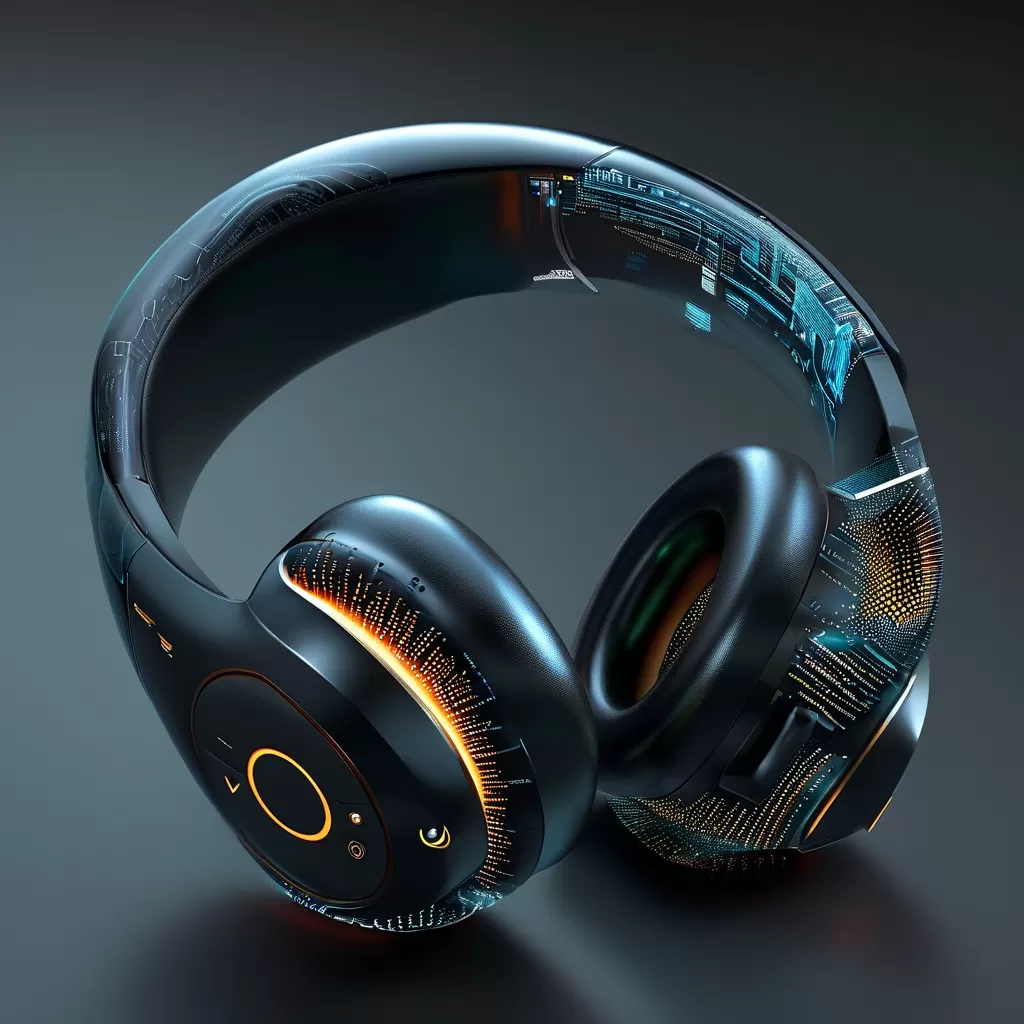
*(Image: A diverse range of devices showcasing haptic technology – VR controller, smartphone with haptic feedback icon, automotive touch panel with haptic buttons, medical surgical simulator)*
Challenges and the Road Ahead
Despite the rapid progress, the widespread adoption of advanced **haptic tactile feedback** still faces several hurdles.
1. Fidelity and Realism:** Creating haptic sensations that are indistinguishable from real touch or movement remains a significant challenge. Current technology struggles to replicate the full range of human tactile senses (temperature, pain